Your cart is empty
Looks like you haven't made your choice yet


Premier Woods

Premier Pastels

Select Soho

Select Elements

Core Lacquered

Core UV Oiled

Aged and distressed Floors

Reclaimed Wood Flooring
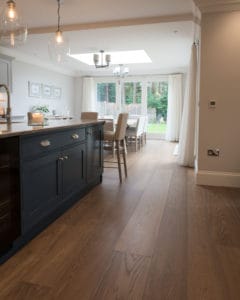
Planks

Wide Plank
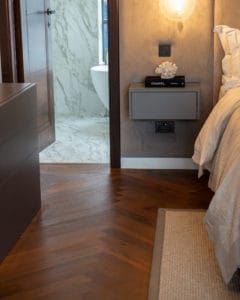
Herringbone
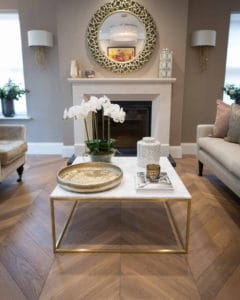
Chevron
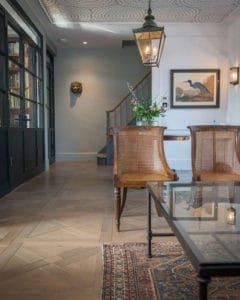
Panels

Inlaid Parquet

Parquet Pattern Library

Stair Components

Light Wood

Mid Tone

Dark Wood
Grey Wood Floors

White

Black

Smoked Oak Flooring

Dark Grey
Oak Flooring

American Walnut
European Walnut
Teak
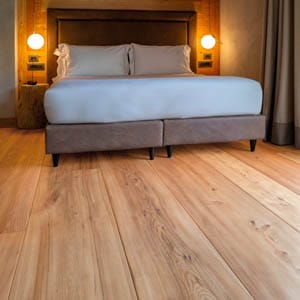
European Elm
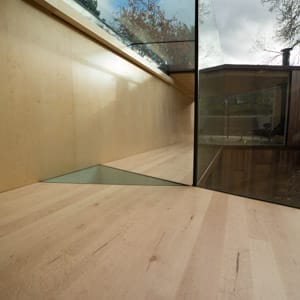
Canadian Maple
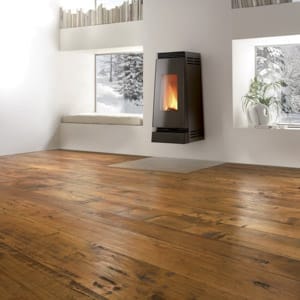
European Cherry
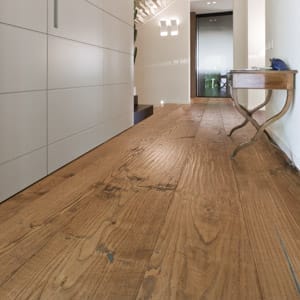
Chestnut

Geometric Runners

Herringbone

Stripes

With Border

Colourful

Grey & Black

Blue

Red

Neutral

Green

Pink

Customisable

Roger Oates

Hartley & Tissier
Fleetwood Fox

Light Wood Floors

Mid Tone
Dark Wood Floors
Parquet Flooring
Runners and Carpets

Timber Clad Stairs

Finishing Touches

Wide plank engineered hardwood brings the warmth of real wood into rooms where traditional solid hardwood can be more demanding. It pairs a genuine hardwood surface with a layered core, giving homeowners the look of hardwood flooring with improved dimensional stability and more flexible installation possibilities. If you are comparing flooring options for a renovation, this style is worth understanding before you choose a product, finish, or installer.
Wide plank engineered hardwood is real wood plank flooring built with a hardwood veneer on top of a stable engineered core. The “wide plank” part refers to boards that are broader than standard often creating a calmer, more open visual field with fewer seams across the room. The width of a wide plank is anything wider than 240mm and for more premium options over 340 to 500mm wide. The “engineered” part means the plank is made in layers, rather than being one solid piece of lumber from top to bottom.
That layered construction is the key difference. The visible surface is hardwood, while the base may be plywood, HDF, or another multi-ply wood structure arranged to help resist expansion, contraction, cupping, and warping. Many products use cross-banded layers, which means the grain direction alternates from layer to layer for extra stability. For extra wide planks over 300mm wide a 3 layer construction is recommended providing even greater stability. A 3 layer structure consists of a hardwood top layer of 4-7mm thick a core Fir layer in the middle and then a bottom counter balance layer of the same hardwood and thickness as the top layer. At Urbane Living our Premier Woods have options of 3 layer structure and planks up to 500mm wide as standard.
This does not make engineered hardwood artificial. It is not laminate or vinyl with a printed wood image. The top layer is real hardwood, which is why species, grain, texture, and finish still matter when you compare products.

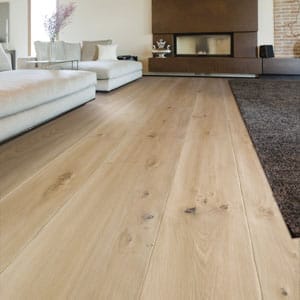
Wide plank flooring has a distinctive presence because each board shows more of the tree’s natural character. Instead of many narrow strips breaking up the surface, wider boards allow grain lines, knots, mineral streaks, and colour variation to become part of the room’s design. In open-concept spaces, that can make the floor feel more continuous and intentional.
Plank width also affects mood. Wider boards often feel relaxed, substantial, and architectural. They can support rustic farmhouse interiors, clean Scandinavian rooms, modern minimalist spaces, and transitional homes that mix old and new details. Lighter oak tones can brighten a compact room, while deeper walnut or rich hickory can add weight and contrast.
Length matters too. Some engineered flooring collections include boards where a high percentage of planks approach the maximum length, which helps create a longer, less chopped-up appearance. When shopping, ask about average plank length as well as width, because short boards can make even wide plank flooring look busier than expected.
The wider the plank the more impressive the planks will look. Wide planks also work well in smaller spaces although super wide planks are more suited to larger rooms. For smaller rooms, narrower planks help make the room look bigger. However the average house in the UK can accommodate larger plank widths whilst still providing proportionality. Consider choosing mixed width planks to create a subtle interest in the floor and to economise on the cost of wide planks. See below examples of different widths in the same room.
Solid hardwood is milled from a single piece of wood. It has long been valued for its authenticity, longevity, and ability to be sanded and refinished multiple times, depending on thickness and condition. However, solid wood naturally reacts to moisture and temperature changes, which can limit where and how it should be installed.
Engineered hardwood is designed to reduce some of that movement. Because its core layers are arranged for stability, it can often perform better than solid hardwood in settings where humidity changes are a concern. This is one reason many homeowners consider engineered flooring for basements, concrete slabs, condos, and spaces with radiant heat, provided the specific product is approved for that use.
The trade-off is the wear layer. Engineered hardwood has a real hardwood top layer, but that layer varies by product. Some wear layers are relatively thin, while others are thick enough to allow future refinishing. Common ranges may run from about 1.2 mm to 5.2 mm, so this detail matters if long-term renewal is important to you.
A simple way to compare the two:
Feature | Wide plank engineered hardwood | Solid hardwood |
|---|---|---|
Construction | Hardwood veneer over layered core | One solid piece of wood |
Stability | Better resistance to seasonal movement | More movement with humidity shifts |
Installation locations | Often more flexible, including some basements and slabs | Usually best above grade |
Radiant heat | Possible when product-approved | Often more limited |
Refinishing | Depends on wear layer thickness | Usually more refinish potential |
Look and feel | Real wood surface | Real wood throughout |
Neither choice is automatically better. The right floor depends on the home, subfloor, climate, budget, and expectations for maintenance and future refinishing.
Flooring installation for engineered wide planks typically depends on the product profile, subfloor, and manufacturer instructions. Many boards use tongue-and-groove edges and may be installed by glue-down, nail-down, staple-down, floating, or a combination method, depending on the floor system. The most important step is choosing an installation approach that fits both the product and the room conditions.
Before installation, the installer should evaluate the subfloor. It needs to be clean, flat, dry, and structurally sound. Moisture testing is especially important over concrete, in basements, or in regions with seasonal humidity swings. Skipping this step can lead to gaps, cupping, adhesive issues, or movement later.
Acclimation requirements vary. Some engineered hardwood products need time to adjust to the home environment; others have more specific guidelines based on packaging, site conditions, and climate control. Always follow the manufacturer’s instructions rather than assuming every wood floor behaves the same way.
Prefinished engineered hardwood can make the process more convenient. Because sanding, staining, and topcoating are completed at the factory, there is no need for heavy onsite finishing. That can shorten the project timeline, reduce dust and odour, and allow the finish to be more consistent from plank to plank.
A good installation plan should include:
The surface finish affects both appearance and everyday care. A low-sheen urethane finish, for example, can soften glare and make the floor feel more natural than a high-gloss surface. Lower sheen levels also tend to show fewer small smudges and minor marks, which is helpful in busy households.
Texture is just as important. Wire-brushed engineered hardwood has a subtle raised-grain feel created by brushing away softer wood fibres. This can highlight natural character while helping disguise light scratches and everyday wear. Smooth floors can look sleek and refined, but they may reveal dents, dust, and surface marks more readily depending on colour and lighting.
Edges also influence the floor’s personality. Micro bevel edges create a slight definition between boards, which can emphasize the plank format and help accommodate tiny height variations. Square edges create a more seamless look but may require a very precise installation and flatter subfloor.

Wide plank engineered hardwood works especially well in spaces where you want the beauty of real wood with added installation flexibility. Living rooms, kitchens, dining rooms, bedrooms, hallways, finished basements, and open-plan areas can all be good candidates when the product is suitable for the room conditions. It is also a strong option for homeowners who like the look of solid hardwood but need a floor that can handle more varied environments.
In large rooms, wide boards can make the space feel grounded and cohesive. In smaller rooms, they can still work beautifully, especially in lighter colors, but careful layout becomes more important. Running planks along the longest sightline can make a room feel more spacious, while too many short pieces can make the floor look busy.
Radiant heating is another reason people consider engineered flooring. Some engineered hardwood products are approved for electric or hydronic radiant systems, while many solid hardwood products are more restricted. The key is to verify compatibility before buying, then follow temperature, moisture, and installation guidelines closely.
Wide plank flooring may not be ideal for every situation. Bathrooms, laundry rooms, and other wet areas require caution because standing water can damage real wood. If spills, pet accidents, or heavy moisture are likely, compare hardwood flooring with other flooring options such as tile, luxury vinyl, or waterproof-rated surfaces.
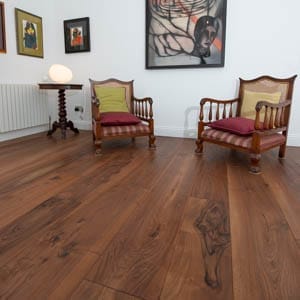
Wood species affects hardness, grain pattern, tone, and overall style. White oak and European oak are popular choices because they offer a balanced grain and take stains well, from pale natural finishes to warm mid-tones. Walnut brings a richer, darker look with elegant movement, while hickory tends to show stronger contrast and a more rustic personality.
Color should be chosen with the whole room in mind. Pale natural wood can make a space feel airy and modern. Medium brown tones are versatile and forgiving. Darker floors can be dramatic, but they may show dust, pet hair, and scratches more clearly, especially in rooms with strong natural light.
If possible, review samples in your own home. Flooring can look different under morning sun, warm artificial light, or shaded conditions. Place samples next to cabinets, wall colors, rugs, and trim so you can see whether the undertones work together.
Engineered hardwood is easier to live with when maintenance becomes part of the routine. The goal is to protect the finish, limit grit, and manage moisture before it becomes a problem. Wide planks do not require complicated care, but they do reward consistency.
Use these habits to keep the floor looking better longer:
Wire-brushed and low-sheen finishes can be forgiving, but they are not maintenance-free. Treat them as protective design choices, not permission to ignore care.
Start by deciding what matters most: appearance, installation flexibility, durability, maintenance, refinishing potential, or budget. Engineered hardwood may cost more than some synthetic floors, but it offers a real wood surface and a premium look. Solid hardwood may offer more refinishing potential, while laminate or vinyl may provide stronger water resistance depending on the product.
Ask practical questions before committing:
These details help you compare engineered flooring fairly instead of judging by color alone. Two floors that look similar in a showroom may perform differently once installed in a real home.

Wide plank engineered hardwood is popular because it solves a common renovation challenge: homeowners want the natural character of wood, but they also want a floor that fits modern spaces, varied subfloors, and busy daily life. Its layered construction offers more stability than traditional solid boards, while its real hardwood surface gives the room warmth that imitation materials can struggle to match.
The best results come from matching the product to the space. Pay attention to wear layer, core construction, finish, texture, installation method, and moisture conditions before you buy. With the right selection and proper flooring installation, wide plank engineered hardwood can be a practical and beautiful foundation for many styles of home.


